Speak With Arts Foundation Takes Its First Step
By Gina Qin, Founder and Co-President of Speak With Arts Foundation
Hello everyone!
My name is Gina Qin, a student at Magee Secondary School in Vancouver. Since the age of seven, I have been studying flute performance and developing a deep passion for music and the arts.
A few years ago, I participated in a community performance where I had the opportunity to play music for seniors and children. Seeing the joy that music brought to people inspired me to think about how the arts can serve as a bridge that connects individuals of different ages and backgrounds. With that vision in mind, I founded Speak With Arts Foundation in November 2024.
On December 1, 2024, with encouragement from my mother and teachers, my friends and I organized our very first fundraising event—a Krispy Kreme donut sale at Richmond Brighouse Station. Although it was my first time leading a public fundraiser and I felt quite shy approaching strangers, the kindness and generosity of our community quickly gave me confidence and motivation.
Throughout the day, many heartwarming moments reminded me why community service matters.
One of the most memorable moments came when an elderly woman with silver hair slowly walked toward our fundraising table. She handed me a twenty-dollar bill, and I immediately reached for a box of donuts. To my surprise, she gently declined.
“I have diabetes and can’t eat donuts,” she said with a smile. “But I am touched by what you are doing. I want to support your cause.”
Her generosity deeply moved me. She wasn’t donating for the donuts—she was donating because she believed in the value of helping others.
Later that afternoon, a man carrying a professional camera stopped by our booth. Without hesitation, he placed thirty dollars into our donation box.
“I’m a city photographer,” he told us. “I photographed your fundraiser earlier today. Young people like you are what make this city beautiful. Thank you for what you’re doing.”His words left a lasting impression on me. At that moment, I realized that community service is not only about raising money—it is also about inspiring hope, compassion, and connection.
Despite standing outdoors in Vancouver’s winter weather for nearly six hours, we successfully raised over $300 CAD through our donut sale. Our hands were cold, but our hearts were warm.
This fundraiser was only the first small step for Speak With Arts Foundation. Yet it marked the beginning of a journey that I hope will continue to grow and touch many lives through music, arts, and community service.
As we move forward, I look forward to creating more opportunities for young people to give back, connect with others, and make a positive difference in our communities.
Thank you to everyone who supported our first fundraiser. Your kindness and encouragement have inspired us to keep going.
This was only our first step—but every meaningful journey begins with one.
Reflection 1 — Echoes of Memory: Christmas Performance
Sunrise of Vancouver | December 2025
Edward Li (Co-President of Speak With Arts)
When I first began planning our Christmas performance at Sunrise, I wanted to understand what the residents actually experienced when they listened to live music. My original idea was fairly straightforward: prepare short written questionnaires about their musical preferences and emotional responses, then use their answers to understand what worked and what did not.
It made sense to me on paper, but once the performance began, I realized that the questionnaires did not fit the room as naturally as I had expected. Some residents seemed tired, some were unfamiliar with the format, and others simply wanted to listen rather than stop and explain what they were feeling.
So we changed the approach as we went. Instead of relying on written answers, we talked with residents and paid more attention to the ways they were already responding. Some hummed along, while others smiled, tapped to the rhythm, or shared short memories during conversation. These reactions were less structured than the answers I had imagined collecting, but they also felt much more natural.
At the end of the concert, I still wanted to give the questionnaires one more chance, so several volunteers and I approached residents individually to see whether anyone would be willing to complete one. No one did, and the few sheets we collected were blank. I remember being disappointed because I had spent time thinking about what questions to ask and had assumed that written responses would make the residents’ reactions easier to understand. However, when I looked around the room, people were still humming melodies, talking with us, and reacting to the music.
The problem was not that there had been no response. Instead, I had been looking for it in the wrong form.
I also began noticing that familiarity seemed to matter. Residents often responded most visibly to melodies they recognized, even when those pieces were not the most technically complex ones we performed. I could not know exactly what each person was remembering or feeling, but those moments made me more curious about the relationship between familiar music, memory, and emotion.
After Sunrise, we began rethinking how to gather feedback in future programs. Instead of depending on written questionnaires, we planned to try guided conversations, simpler choices, and observations recorded by volunteers. I still wanted some structure, but no longer thought that every meaningful response needed to fit neatly into a form.
That first performance changed what I wanted to pay attention to. I had gone in thinking mostly about how to collect better answers, but left wondering whether the more important skill was learning how to notice the answers people were already giving us.
Reflection 2 — Echoes of Memory: Classical Series
Courtyard Gardens Retirement Residence | March 2026
Edward Li (Co-President of Speak With Arts)
When we began planning our performance at Courtyard Gardens, I wanted to try something different from our first visit to Sunrise. At Sunrise, I had learned that a written questionnaire was not necessarily the best way to understand how residents experienced music. This time, instead of asking people to fill out forms, we planned to speak with them individually after the concert.
I also wanted to experiment with another idea. Before the performance, we included a short research-sharing segment about music, memory, emotion, and attention. I had been reading about these topics myself and was curious whether sharing a few of those ideas could give residents another way to think about what they were hearing.
I was a little unsure about this part because a senior residence concert is not a classroom, and I did not want the research to turn the performance into a lecture. Therefore, I tried to keep it short and accessible, then let the music do most of the talking.
After the concert, our volunteers spread out around the room and began talking with residents. The difference from the questionnaires was immediately noticeable. Some residents described the music as relaxing or enjoyable, while others talked about learning piano when they were younger or remembered music connected with their families. One person might tell us a whole story, while another might only give a few words.
I began to realize that the goal was not to get everyone to answer in the same way. Instead, what mattered was giving people enough space to respond in whatever way felt natural to them.
Some of the conversations also connected back to ideas from the research-sharing segment, especially around relaxation and memory. I did not see those responses as proof of anything we had presented. If anything, they reminded me that research could explain general patterns, while an individual person’s relationship with music was much more specific. A slide might describe how music and memory can be connected, while a resident could tell me about the piano they had played decades ago.
That distinction made the research-sharing segment feel more useful to me. Rather than thinking of it as something that explained the residents’ experiences, I started thinking of it as something that could help begin a conversation about them.
Courtyard also changed the way I thought about feedback. At Sunrise, I had mostly learned what did not work, while this time I began to see what might work better. Conversation gave us less tidy information than a questionnaire would have, but it gave us stories, preferences, and reactions that I would not have known to put on a form.
I left Courtyard wanting to keep some structure in our future conversations without losing what made them feel natural. Improving the program, I was beginning to understand, did not necessarily mean finding better questions. Sometimes it meant becoming better at following where an answer led.
Reflection 3 — Learning to Let the Class Change
SDC Spring Camp | March 2026
Edward Li (Co-President of Speak With Arts)
When we planned two trial music classes for SDC’s Spring Camp, another Co-President and I each took the lead on one session while participating in both. We went in with many of the same ideas: introduce real instruments, share some basic musical knowledge, and find different ways for the children to experience music.
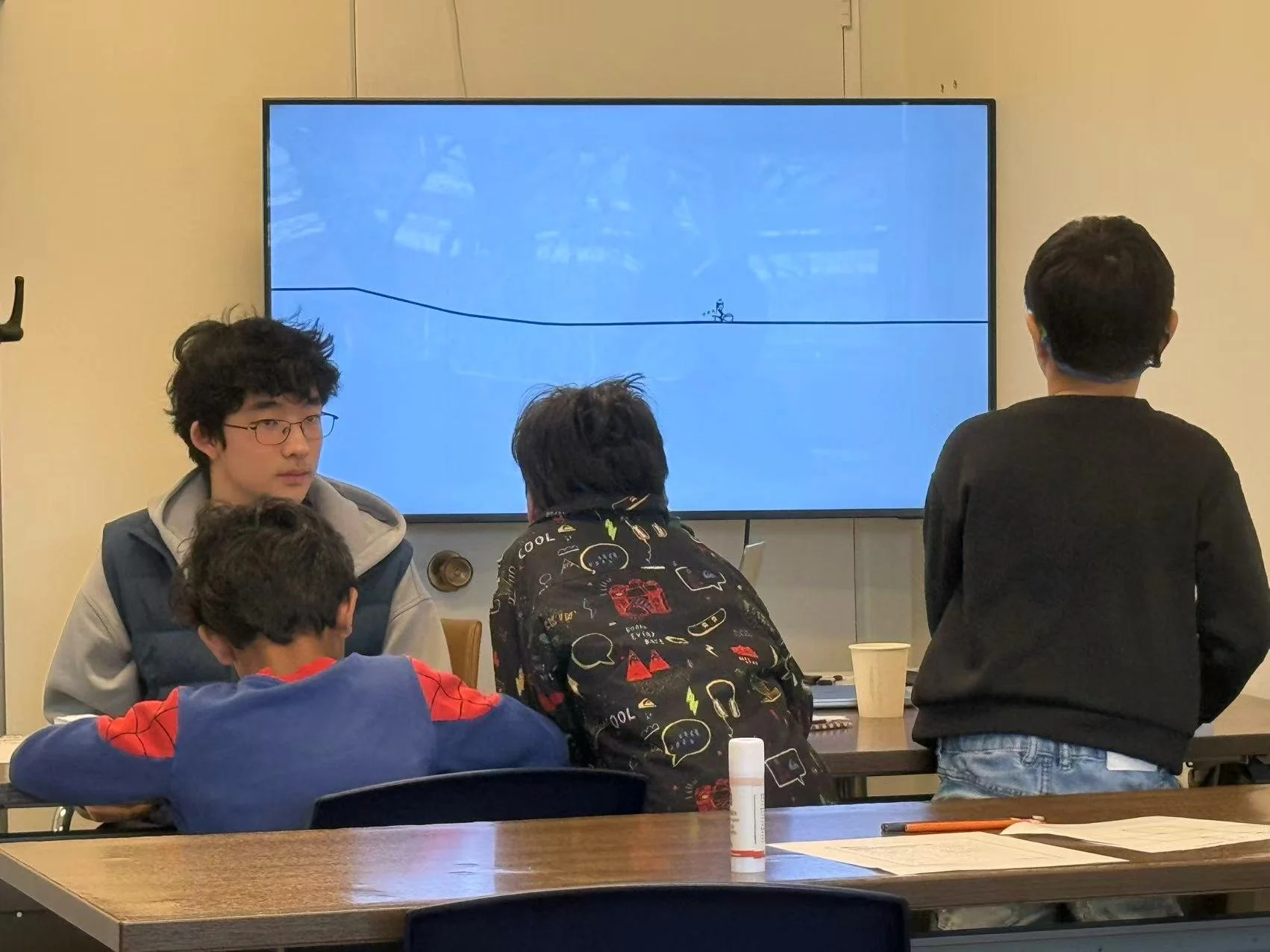
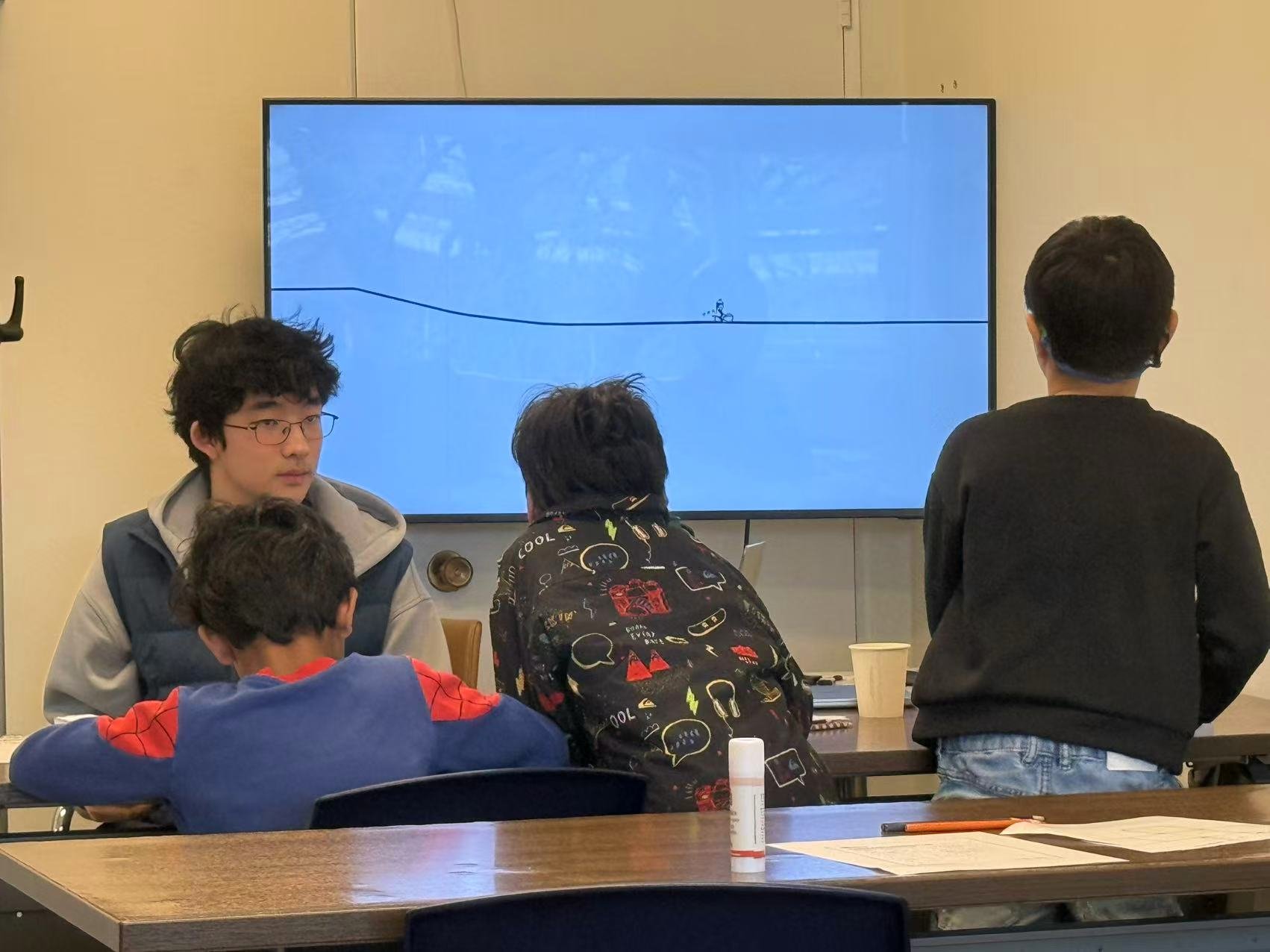
During the first session, I was not the one leading the class, which gave me a chance to watch. A large part of the lesson involved sharing information through a presentation. At first, the children listened, but as the explanation continued, several became restless. Some had difficulty staying seated, the room became noisier, and eventually we were not able to complete the class as planned.
What stayed with me was that the lesson plan was still moving forward, but the room was not moving with it. The information itself was not necessarily the problem. We had simply expected the children to receive it for longer than they were comfortable doing.
When it was my turn to lead the second session, I wanted to try a different balance. I shortened the explanations and gave the children more opportunities to do something with the music. I brought in a trombone they could see up close, kept the videos shorter, and spent more time on rhythm and drawing activities.
The difference was noticeable. I noticed longer periods of attention and more willingness to participate and interact with us. With only two sessions and six children, I did not think that meant I had found a “better” teaching method. But it did tell me that the amount of information I wanted to share mattered less than whether the children had a way to enter the activity.
The drawing activity complicated that lesson again. I had imagined the children listening to music and following its movement through lines and shapes. It seemed like a simple way to connect sound with visual expression. Instead, several children ignored the pattern I demonstrated and began drawing their own pictures.
My first instinct was to bring them back to the activity I had planned. Then I started wondering why their drawings needed to look like mine in the first place.
They were still listening and drawing, yet they made a connection that I had not designed for them.
That moment changed what I wanted from the class. I still wanted structure and a purpose for each activity. However, I became less interested in whether the children followed my instructions exactly and more interested in whether the activity gave them a way to participate.
The Spring Camp sessions were only a trial, and I left with more questions than answers. How much structure is useful before it becomes limiting? How could I introduce real instruments without turning the class into a lecture? Could movement, drawing, and rhythm give children different ways into the same piece of music?
Those questions became the starting point for the summer program. I still planned the classes carefully, but I just stopped assuming that the best version of the class would be the one that went exactly according to my plan.
Reflection 4 — Echoes of Memory: Classical Series II
Gilmore Gardens Retirement Residence | April 2026
Edward Li (Co-President of Speak With Arts)
By the time we performed at Gilmore Gardens, I had become more comfortable with the idea that feedback did not need to look the same from one person to another. However, I was still trying to solve another problem: completely open-ended conversations could be difficult for volunteers to guide and could also make it harder for us to learn from the responses afterward.
For Gilmore, we tried to find a middle ground where we kept the individual conversations we had used at Courtyard, but added clearer response options and an “other” category. This gave volunteers enough structure to begin a conversation without requiring residents to choose only from answers we had already decided for them.
The balance between structure and openness had started to interest me because I was noticing the same problem in different parts of our programs. Too much structure could make an interaction feel forced, while too little could make it difficult to know where to begin. Designing the program was becoming less about choosing one approach over the other and more about deciding when each was useful.
During the performance, we also paid more attention to responses that happened before we asked any questions. Several residents moved their hands or bodies with the rhythm without being prompted, and during the research-sharing segment, I noticed frequent nodding and attentive expressions. Earlier, I might have been tempted to explain exactly what those reactions meant. By this point, however, I was more cautious. A nod could mean recognition, agreement, interest, or something else entirely, so observing a response did not necessarily mean that I completely understood it.
This also changed how I thought about the research-sharing segment. Rather than using research to explain what residents were supposed to experience while listening to music, it seemed more useful to introduce an idea and then allow their own experiences to add to or complicate it.
An unexpected staffing problem after the concert led to another change. Because the performance was close to the Easter holiday, we had fewer volunteers than usual, so some of the performers joined the post-concert conversations. Normally, volunteers handled most of these conversations while performers packed up or talked among themselves, but this time residents could speak directly with the students they had just watched perform.
What began as a practical solution made the conversations feel more personal. Residents asked about instruments, talked about pieces they recognized, and shared their own experiences with music. I had previously thought of performers and volunteers as having separate roles, but this made that division seem less necessary. If the purpose of the program included connection as well as performance, the interaction did not have to end with the last note.
Afterward, I compared some of the conversations from Gilmore with what we had heard at Courtyard. Certain themes appeared again, including relaxation, memories, attention, and enjoyment, although they did not appear in exactly the same way. Two performances were clearly not enough to make broad conclusions, but they gave us patterns worth noticing and questions worth carrying into future programs.
I left Gilmore thinking that improving a program did not always require adding another activity or designing a better form. Sometimes a smaller adjustment could matter just as much, whether that meant leaving an extra option open, asking a less leading question, or allowing the person who had just played the music to stay for the conversation afterward.
Reflection 5 — Returning to Where Echoes of Memory Began
Sunrise of Vancouver | May 2026
Edward Li (Co-President of Speak With Arts)
Returning to Sunrise had been something I was looking forward to. Several months earlier, our first performance there had changed the way I thought about feedback and how we listened to residents. After that visit, residents told us that they would like to hear more familiar jazz, so when we began planning the return, I wanted the new program to respond directly to that request.
Exam season made it harder than usual to recruit enough jazz performers, and it would have been easier to design the concert around whoever happened to be available. Instead, we continued working around the residents’ request and built the program around music they had asked to hear. For me, this was a different kind of feedback loop. Rather than only gathering reactions after a performance, feedback from the first visit was now shaping the next one before it even began.
By the week of the performance, I had designed the program and prepared the materials, including the set list, host script, research-sharing segment, feedback materials, and notes on how the different parts of the event should connect. However, a sudden illness shortly before the concert meant that I was unable to attend.
I was used to being involved in both designing and carrying out our programs, so handing everything over to another Co-President felt uncomfortable. At the same time, having the program written out in detail meant that I could explain not only what needed to happen, but why each part was there. The research-sharing segment, for example, was not separate from the performance; it was meant to introduce ideas about music, memory, and emotion that could give residents another way to think about what they were hearing.
After the performance, I heard back from the performers, parents, and other team members who had been there. They described residents applauding enthusiastically, cheering after familiar songs, smiling, and responding especially strongly to recognizable melodies. I was also told that the Sunrise recreation coordinator introduced Speak With Arts warmly and referred to our previous visit.
Because I had not been in the room myself, I was careful not to draw too much from secondhand descriptions. Still, the feedback suggested that returning with the jazz residents had requested was well received. More unexpectedly, the experience made me think about something I had not considered when designing the earlier programs: whether Echoes of Memory could still work when I was not there to carry it out myself.
Until then, I had mostly thought about improving the program by changing its content, feedback methods, or interactions with residents. This experience introduced another kind of flexibility. A program also needed enough structure that someone else could understand it, carry it forward, and still preserve the reason each part had been designed in the first place.
For the first time, I began to see a difference between planning an event and building a program. An event can depend heavily on the person who organized it being there, while a program needs a structure that other people can understand and continue. The host script, research-sharing materials, feedback plan, and notes had originally been tools that helped me organize the performance. In my absence, they also became a way to pass the program on.
I still wished I had been there, especially after spending so much time preparing the return to Sunrise. However, hearing how the other Co-President, performers, parents, and volunteers carried it forward made the disappointment feel different. Echoes of Memory was beginning to become something that did not depend entirely on me, which made me think more seriously about how a program could continue to develop even as the people leading it changed.
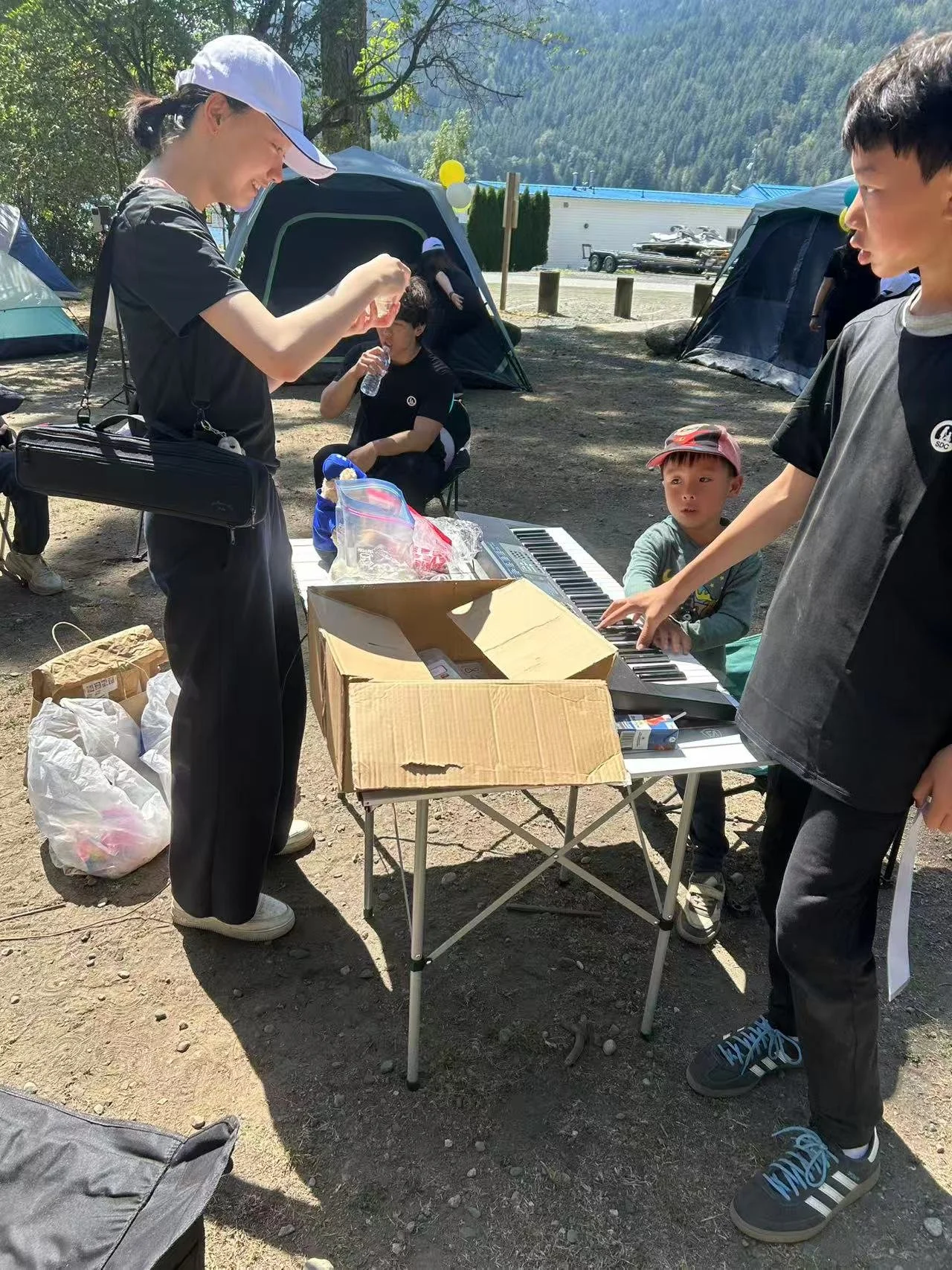
Reflection 6 — Inclusive Music Learning: Summer Reflection
SDC Summer Music Program | Summer 2026
Edward Li (Co-President of Speak With Arts)
When I began designing the summer music classes at SDC, I thought one of my main jobs was to plan sufficiently. Our two Spring Camp trial sessions had already shown us that real instruments, movement, and visual activities could work well, so I built each one-hour summer class around roughly five activities. On paper, the structure made sense: there was enough variety to keep the class moving, and every activity had a purpose.
The summer program went well. The SDC supervisors were very supportive, and over time I noticed many of the children becoming more attentive, more comfortable interacting with us, and participating in different ways. More importantly, they seemed to enjoy the classes, and SDC was interested in continuing the program. However, what stayed with me most was how often the children changed what I thought a successful class should look like.
The first thing that changed was the schedule. Although I had planned about five activities for each class, the children did not experience time according to my lesson plan. Sometimes a child became completely absorbed in an instrument or activity just when I was supposed to move on. At first, I was conscious of everything we were not getting to, but I began asking what I was actually trying to accomplish. If a child was focused, interacting, and enjoying an activity, interrupting that moment simply to complete all five parts of the lesson did not make much sense.
As a result, most classes eventually included only two or three major activities. When the children were interested in something, we stayed with it longer. When an activity was not connecting with them, we moved on. I did not stop making lesson plans, but I stopped treating the plan as the definition of a successful lesson.
Real instruments continued to be one of the strongest parts of the program. Rather than only showing pictures or videos, we demonstrated how instruments produced sound, played them live, and gave the children opportunities to touch and try them when appropriate. The same instrument, however, could lead to very different responses. Some children wanted to try it immediately, while others preferred to watch first. Some communicated through questions or eye contact, while others said very little but remained focused on what we were doing.
Earlier, I probably would have described the children who immediately reached for an instrument as more engaged. As the classes continued, I became less certain. Watching closely could also be a form of participation, as could listening or approaching an instrument only after observing someone else use it. Instead of trying to make every child participate in the same visible way, I became more interested in creating enough ways for each child to enter the activity.
Another change came when we began giving the children more influence over what happened in class. We added live music requests and asked what they wanted to hear rather than deciding everything ourselves. It was a simple adjustment, but their choices now shaped part of the class. That made me wonder whether participation could go further than choosing or trying an instrument: could the children make one themselves?
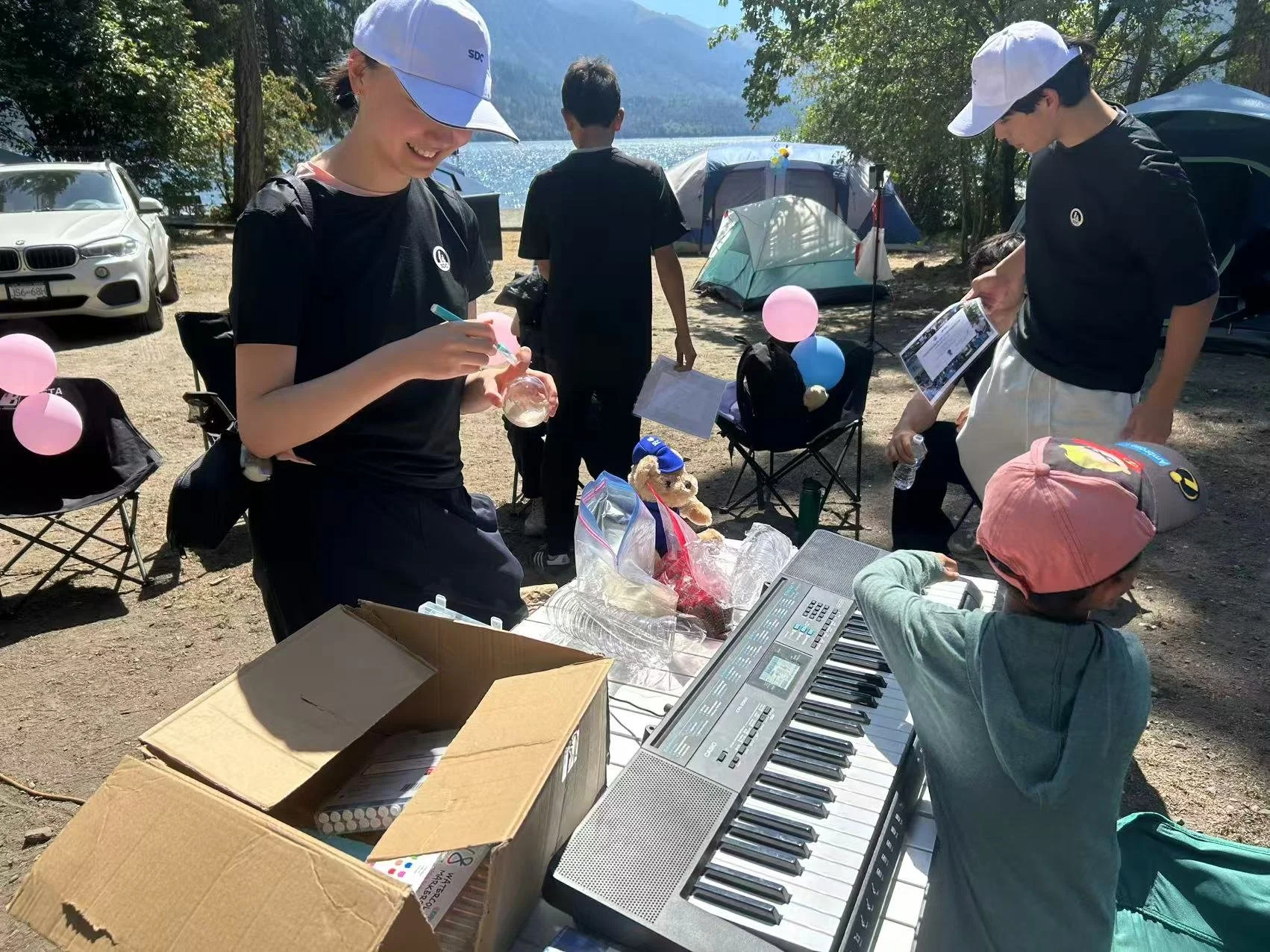
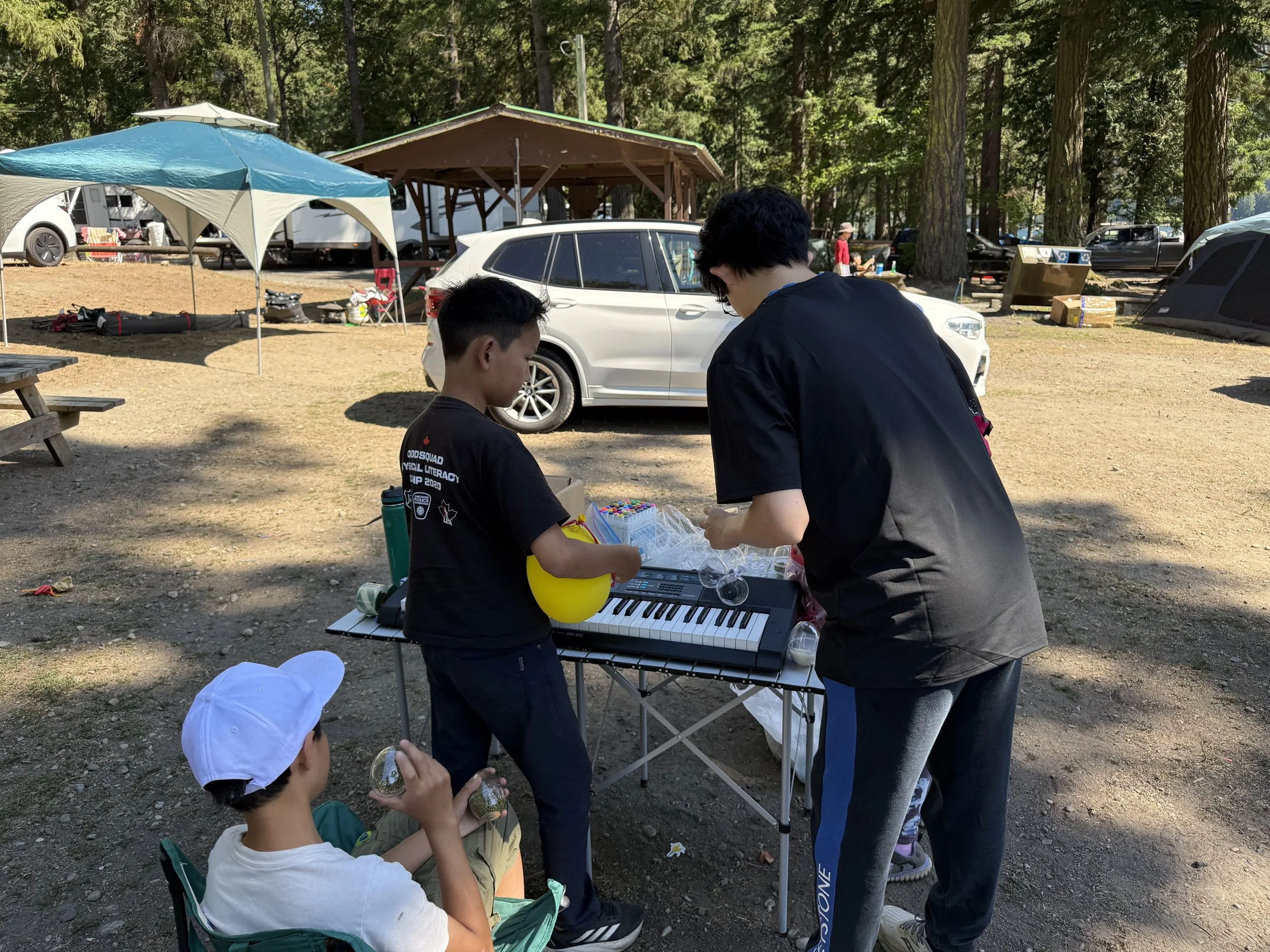
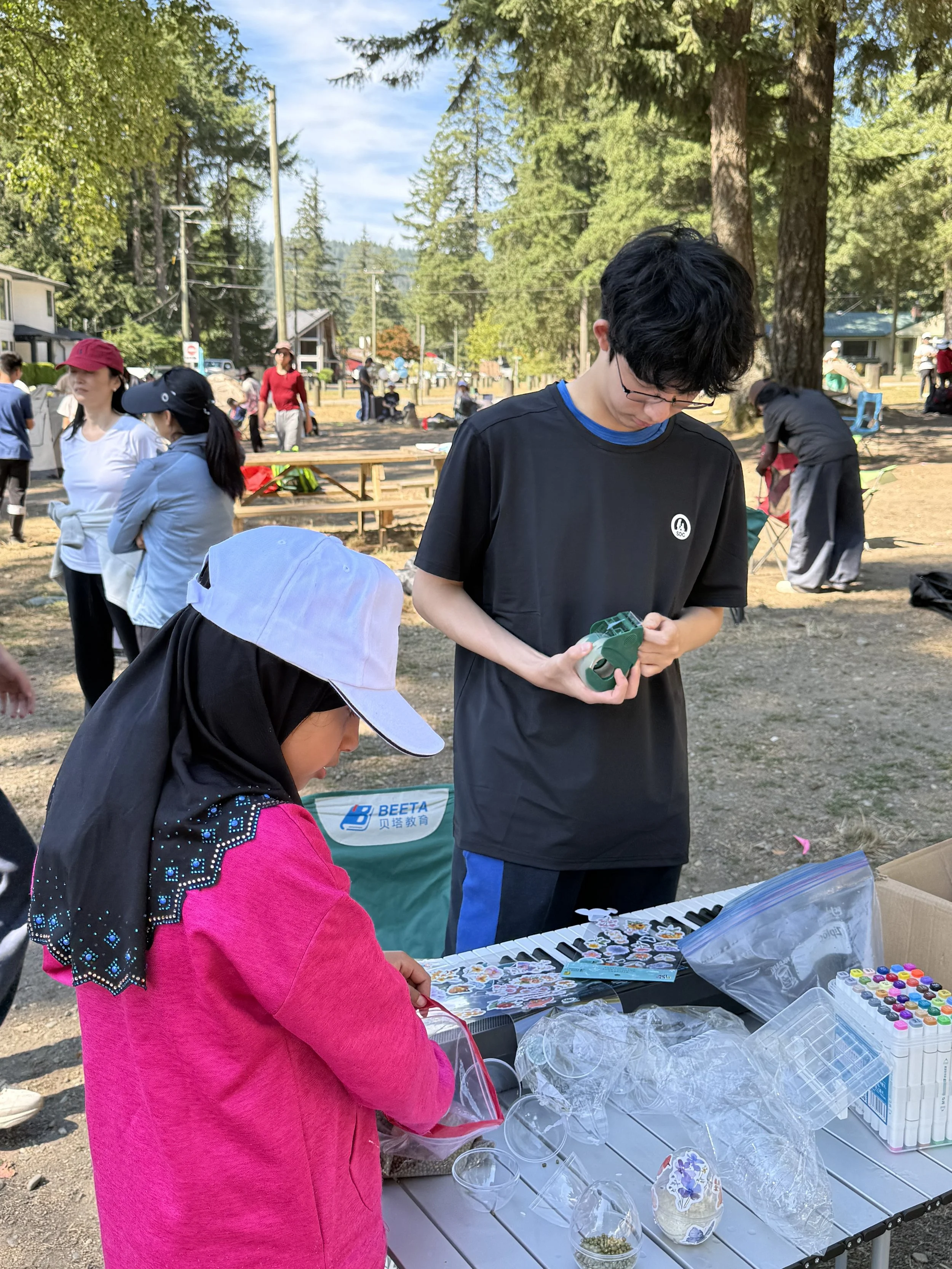
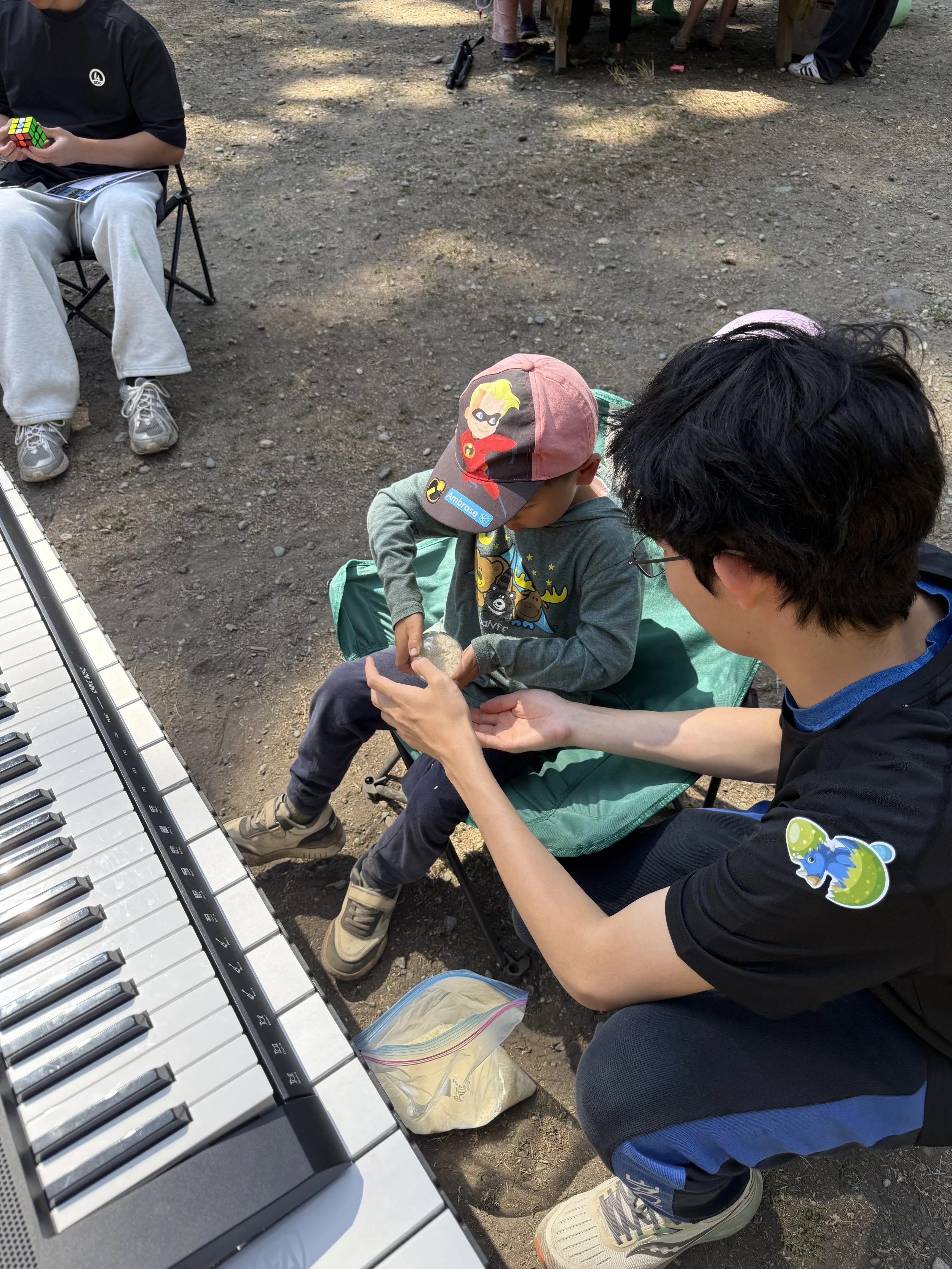
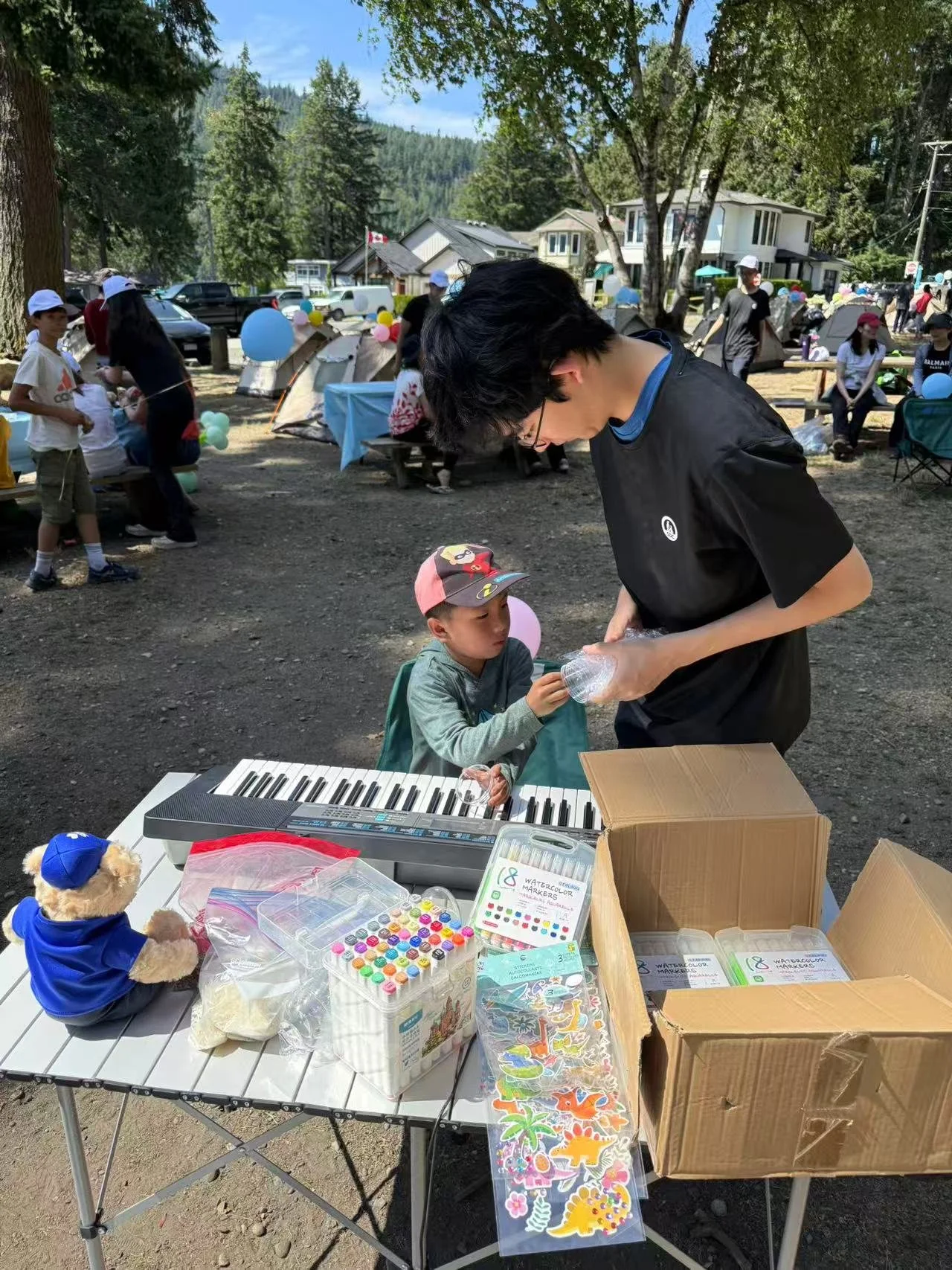
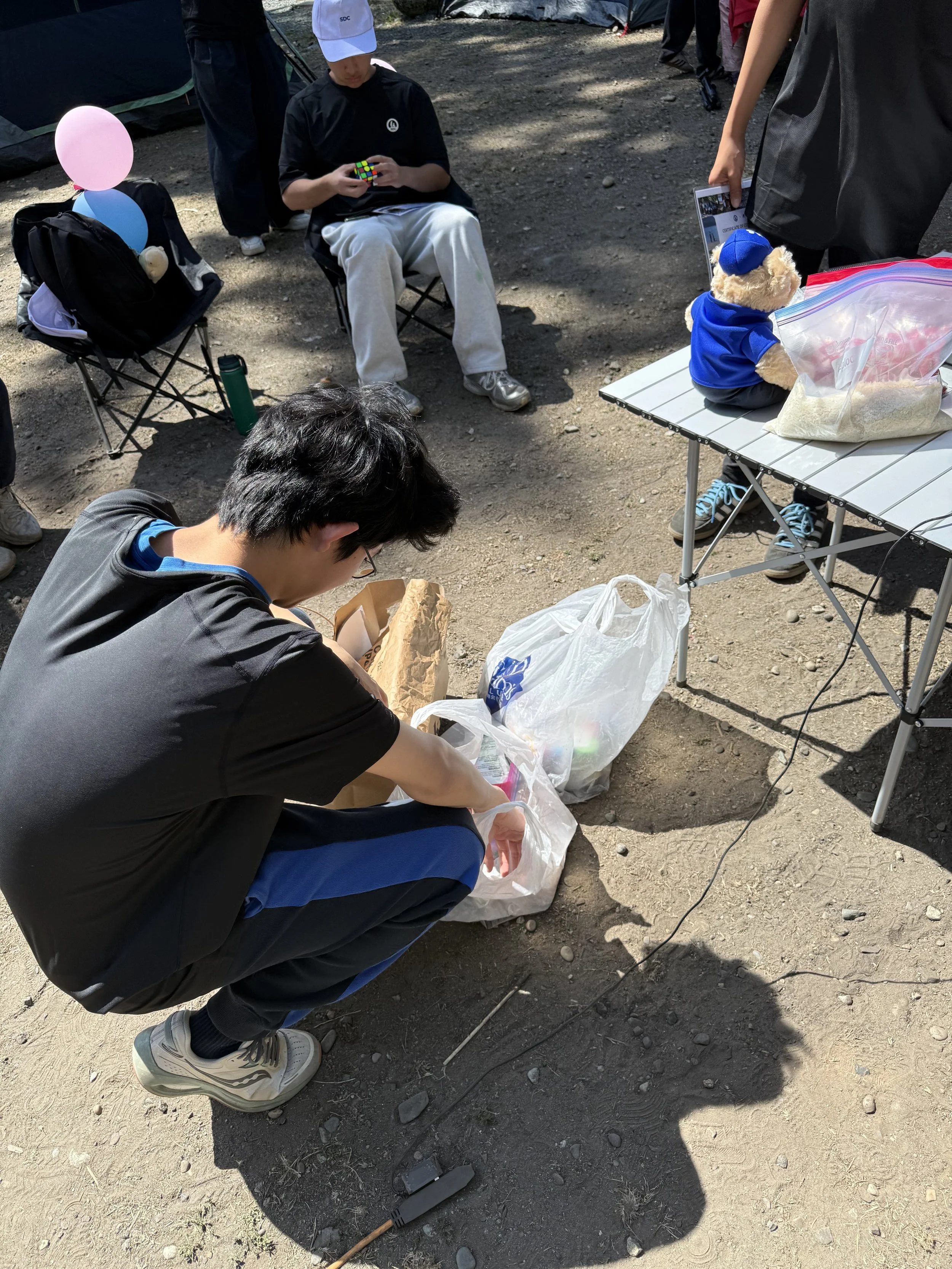
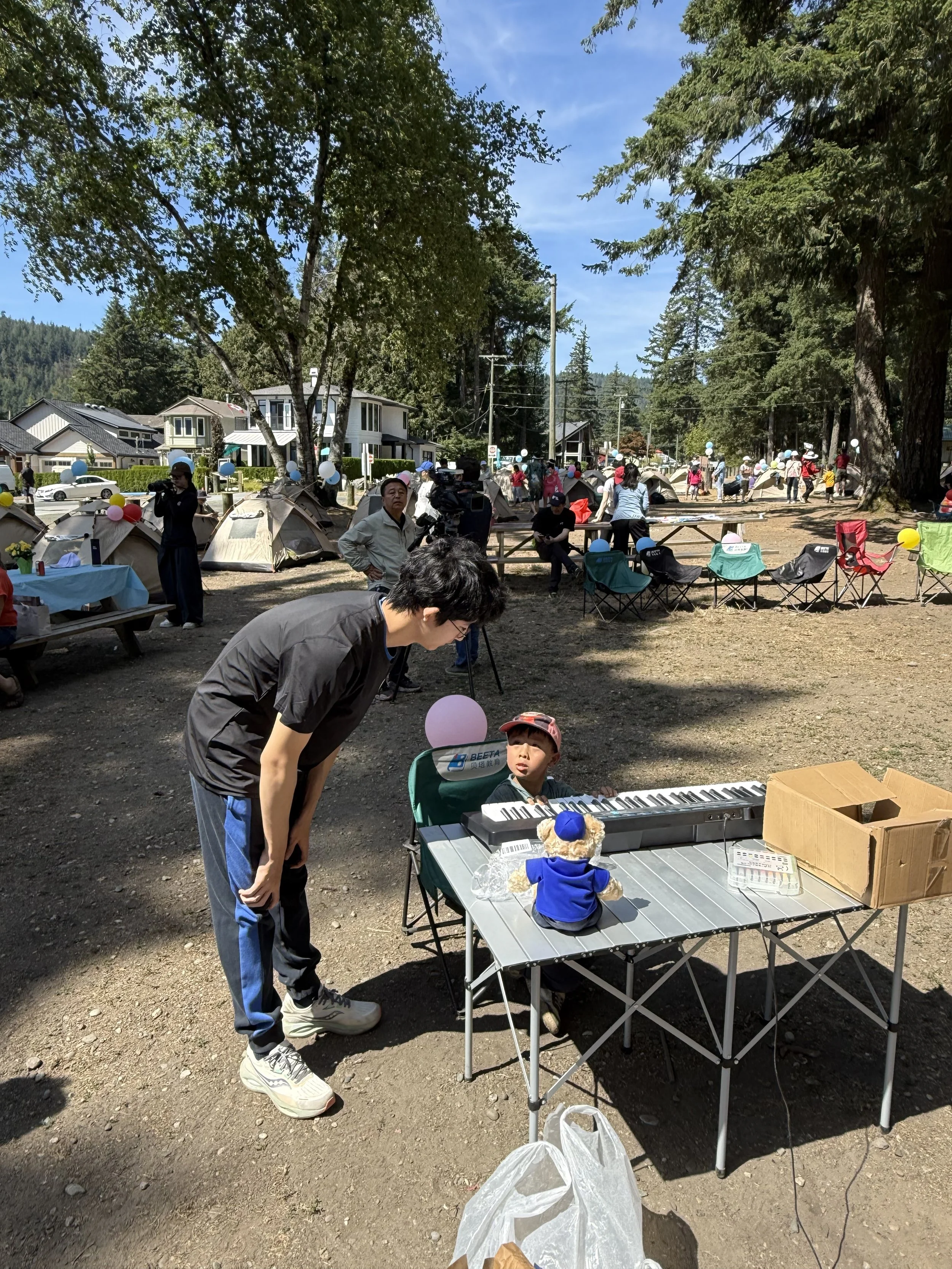
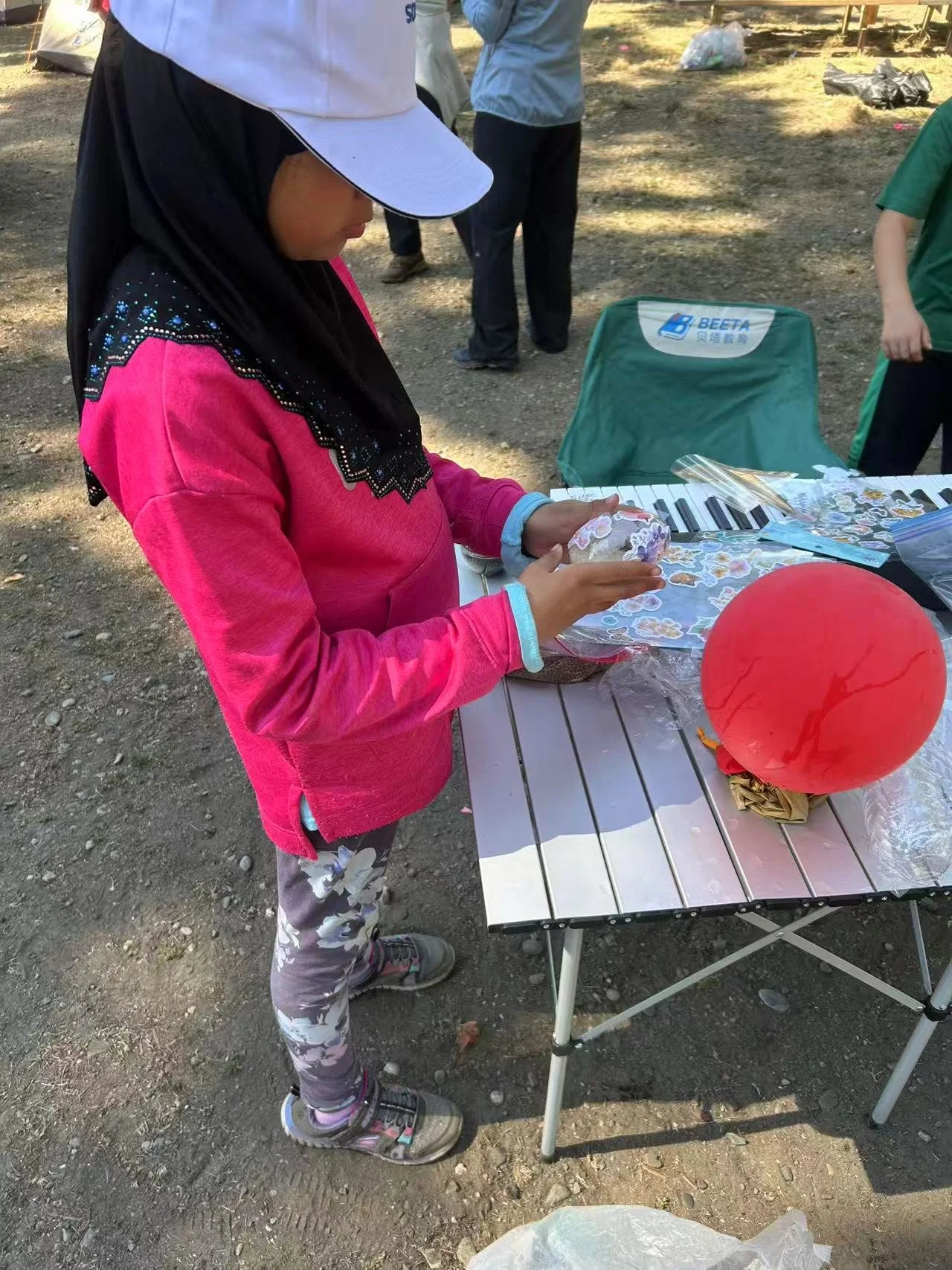
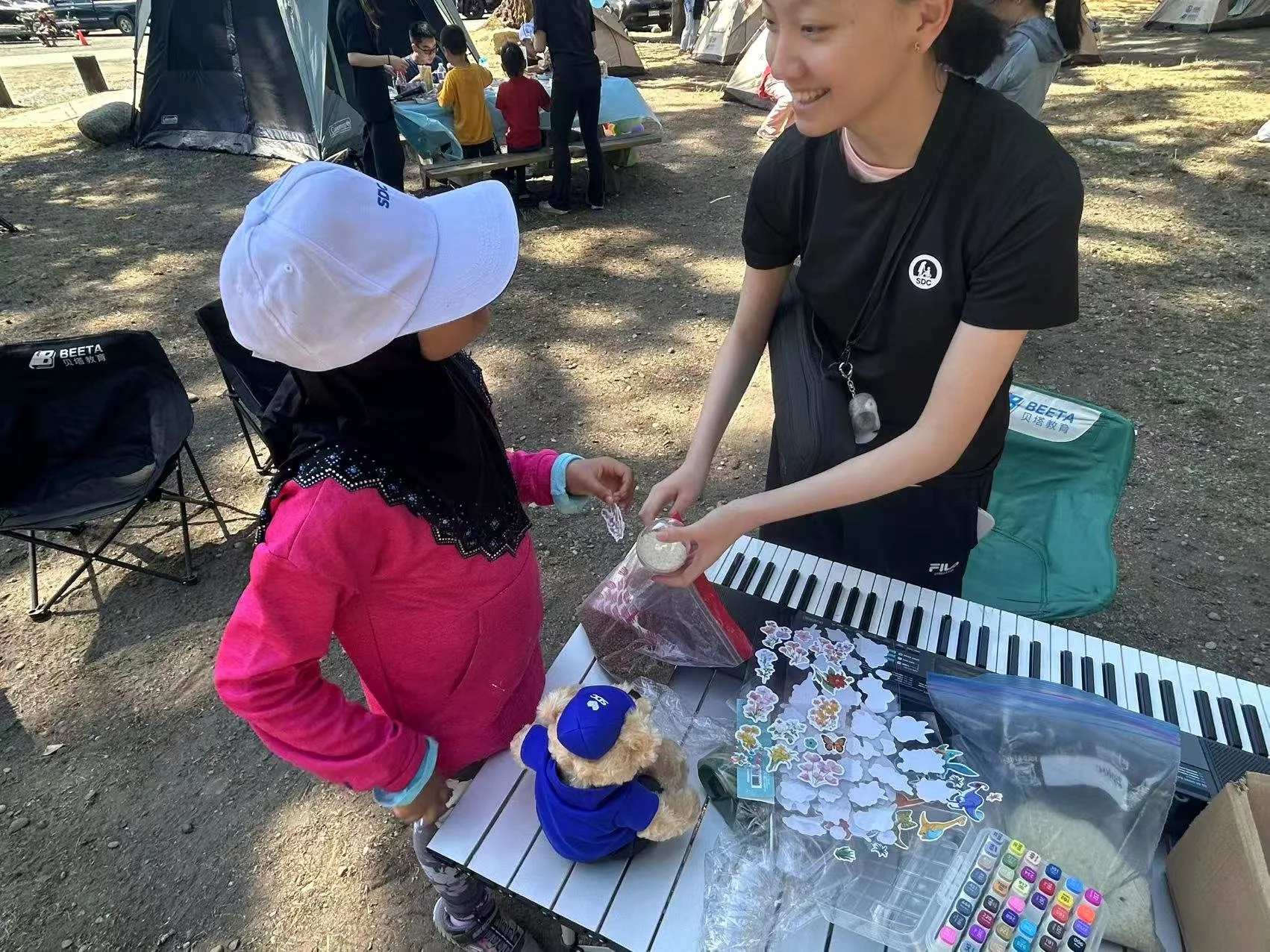
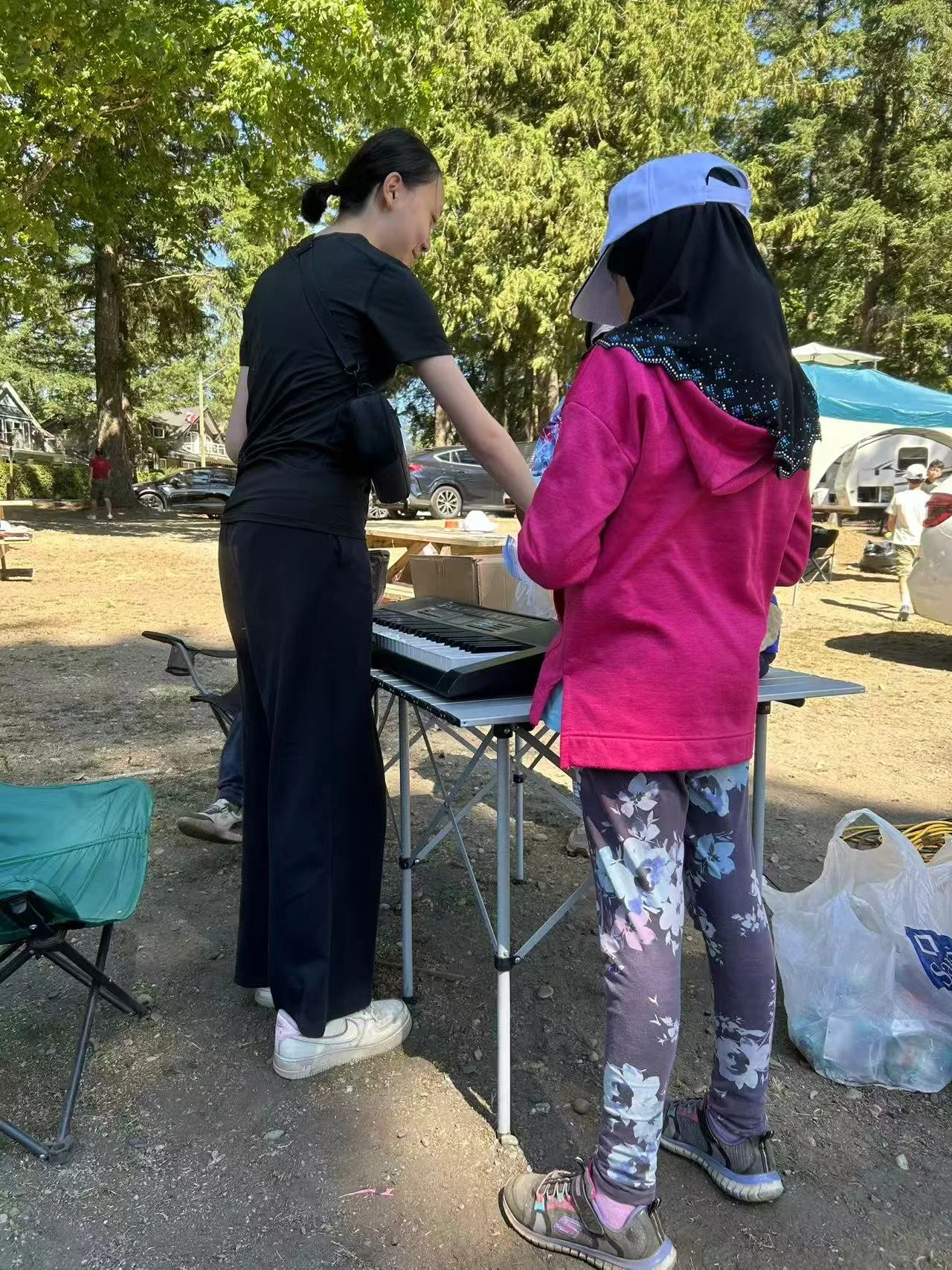
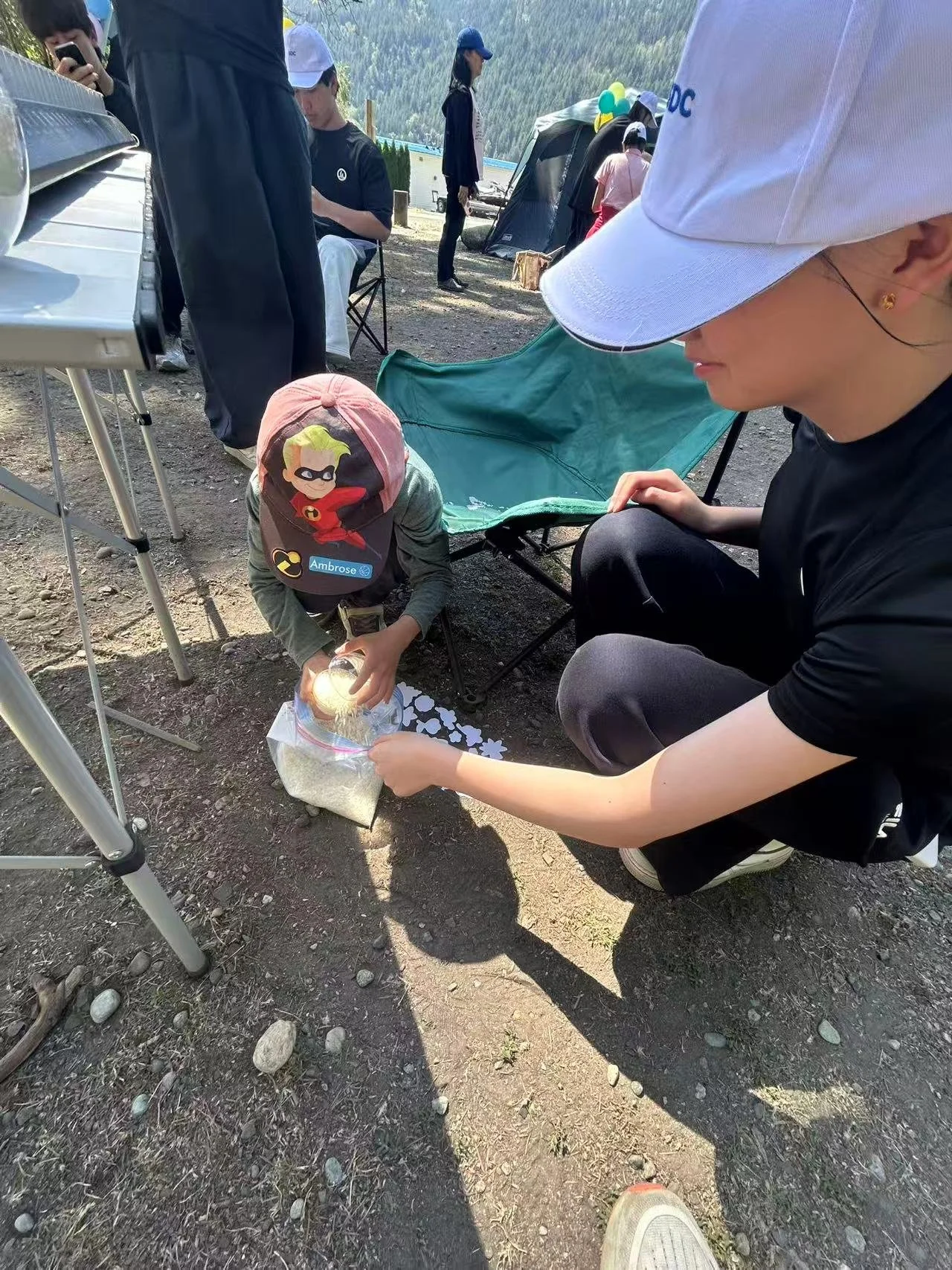
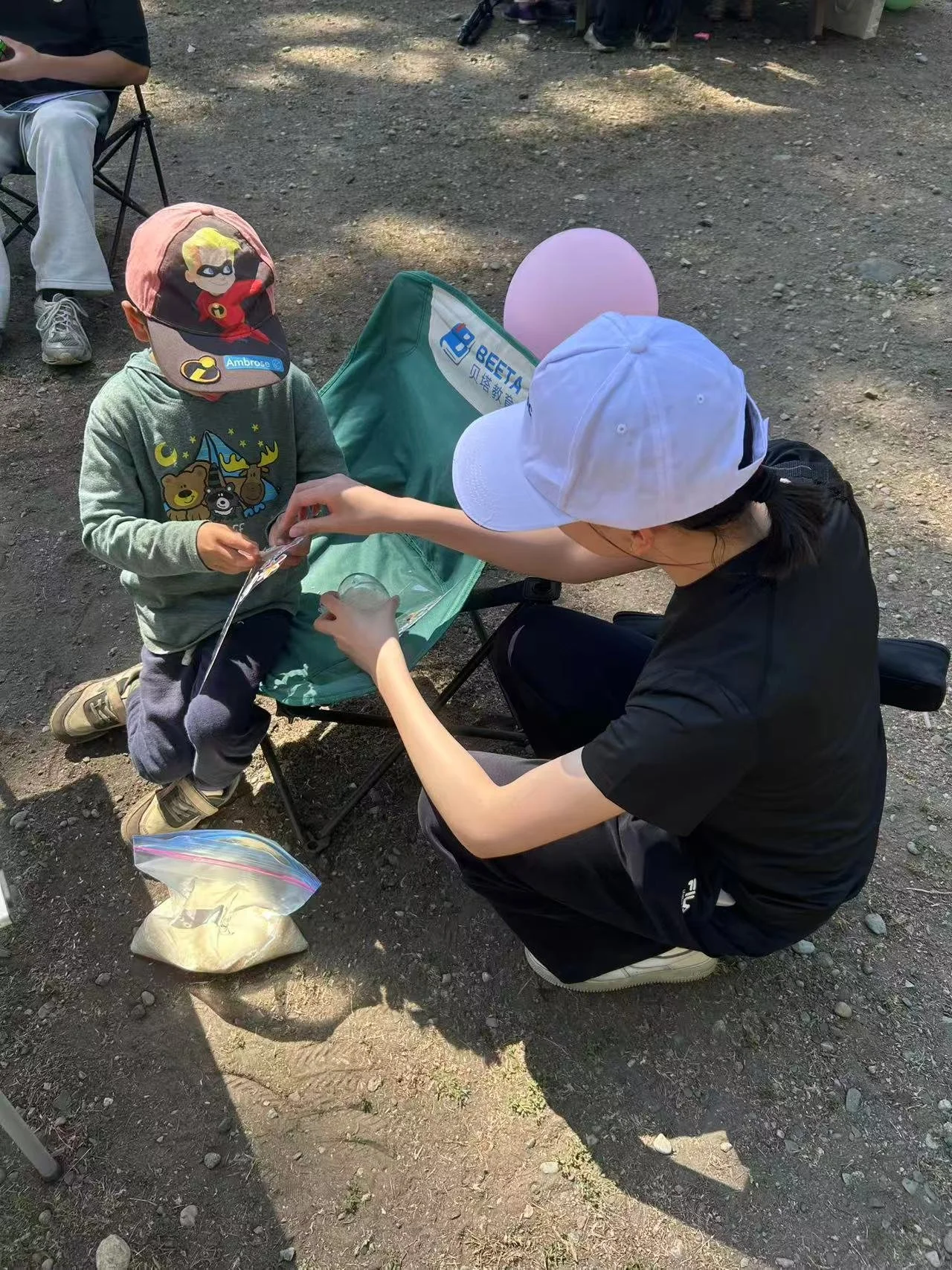
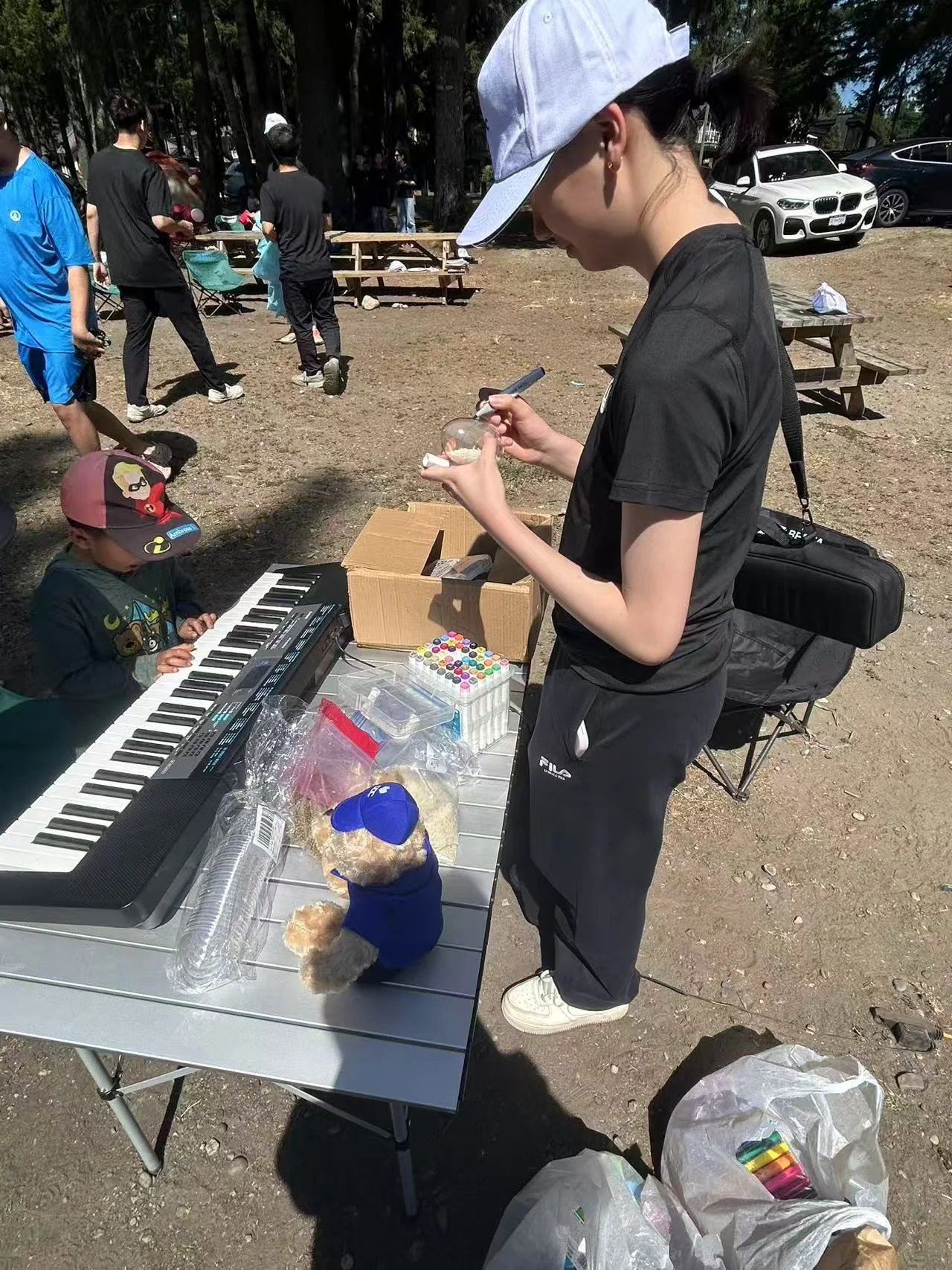
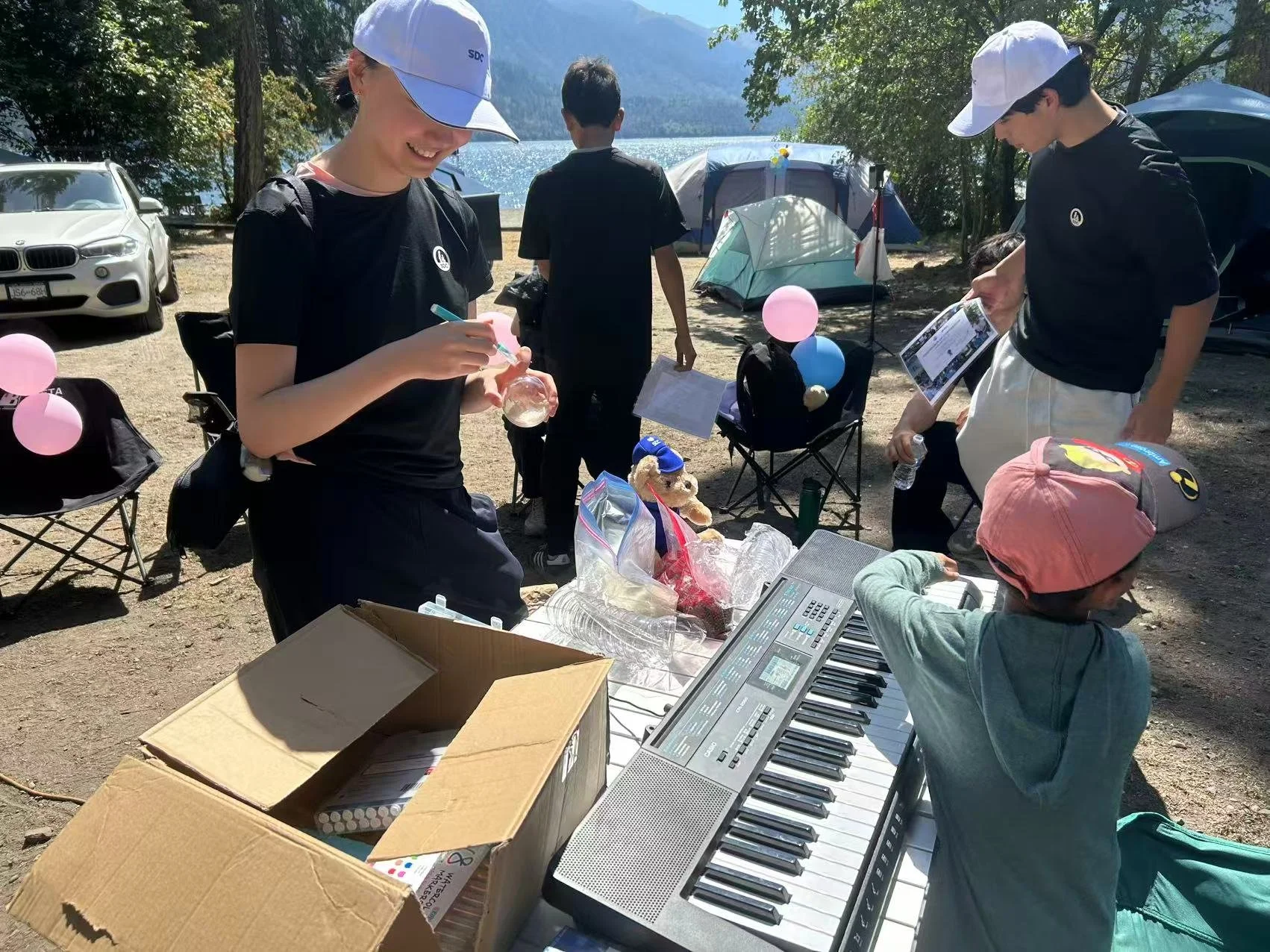
I had the chance to test that idea on July 30, when I was responsible for the music station at SDC's Summer Camp. The station included movement games based on sound, a musical passing game, and an activity where children made egg shakers. They chose materials, filled and decorated plastic eggs, experimented with the sounds they had created, and then used the finished shakers to play rhythms. The activity was especially successful because the children were involved in nearly every part of the process, from making choices to creating an object they could then use for music.
That experience gave me confidence to bring instrument-making into the formal curriculum. The third summer music class was also the first session I taught on my own, so I prepared plastic eggs, beans, and decorations and adapted the activity for the classroom. The children spent a long time making their shakers, and at the end we used them together to create rhythms. The response was very positive, including from the SDC supervising instructor. Some experiences had shown me what needed to change in my original design; this one showed me what was worth developing further.
The fourth class challenged another assumption. Music and visual art had been part of my original curriculum idea, and I wanted to connect them more directly by showing how a melody could become a visual line, rising or falling with the music. The connection seemed simple to me, but the students did not really respond to the example I demonstrated. My first thought was that I needed to explain it more clearly. Instead, I eventually stopped showing them what their drawings were supposed to look like and played a piece of classical music while encouraging them to draw whatever they wanted.
At first, honestly, I thought they were just drawing randomly because their pictures looked nothing like the musical contours I had demonstrated. However, the longer I watched, the less certain I became. Different choices of color, repeated shapes, patterns, and kinds of movement appeared across the page, and no two drawings approached the music in the same way.
I began wondering whether I had been evaluating the wrong thing. I had been asking whether the children understood my way of translating music into an image, rather than asking what the music made them want to put on the page. Their drawings did not need to resemble my example to be meaningful, and once I stopped looking for the response I expected, I could see something much more individual in what they were creating.
At the beginning of the summer, I thought good curriculum design mostly meant anticipating what students would need and preparing the right activities in advance. Preparation still matters to me; I would not want to walk into a class without structure, materials, or a reason for what I was doing. What changed was how attached I was to that structure.
The children stayed with activities longer than I expected, showed interest in instruments in different ways, responded more strongly when they could choose and create, and sometimes turned an activity into something different from what I had imagined. Some of those responses told me to change an idea, while others showed me what was worth building on.
For the next version of the program, I want to create more opportunities for active participation through simple instruments, small percussion instruments and props, movement, choice, and open-ended ways of responding to music. I also want to leave more space in each class for an activity to become something I did not plan.
I still believe a good class needs a plan. What changed over the summer was my understanding of what that plan was for. It was not something the children needed to follow exactly; instead, it was a starting point that had to keep changing as I learned how they wanted to participate.
Bringing Warmth Across Mountains: Winter Clothing Donation Project for Children in Qinghai of China
By Gina Qin, Founder and Co-President of Speak With Arts Foundation
In July 2025, Speak With Arts Foundation partnered with Bittersweet Lemonade Association to launch a winter clothing donation campaign for students at a boarding school in Sangwa Township, Zeku County, Qinghai Province, China.
Located in a remote pastoral region on the Tibetan Plateau, the school serves children who face challenging living conditions and long, harsh winters. As temperatures begin to drop in early autumn, many students lack adequate winter clothing to protect them from the cold. After learning about their situation, our two organizations came together with a simple goal: to provide every child at the school with a warm winter jacket before the start of the new school year.
For Speak With Arts Foundation, this was our first large-scale fundraising initiative focused on material aid. The project presented several significant challenges. With more than 200 students in need, we estimated that approximately CAD $9,000 would be required to purchase high-quality winter jackets for every child. Beyond fundraising, we also needed to coordinate manufacturing, quality control, logistics, and distribution.
Our priority was not simply to purchase jackets, but to ensure that they would genuinely meet the students’ needs. Together with our partners, we carefully evaluated suppliers, comparing pricing, durability, warmth, and weather resistance. We wanted every child to receive a jacket that could withstand the cold conditions of the plateau while remaining comfortable for everyday use.
Transparency was equally important. To ensure accountability, we established dedicated donation channels and provided regular public updates on fundraising progress, production timelines, and shipping logistics. Supporters were able to follow the project from donation to delivery, helping build trust and confidence throughout the process.
The response from the community was extraordinary. Through the combined efforts of Speak With Arts Foundation, Bittersweet Lemonade Association, volunteers, and donors, the campaign reached its fundraising goal in just a few weeks. Ultimately, 216 winter jackets were produced, shipped, and delivered to the students before the beginning of the school year.
Among the most meaningful moments of the project were the handwritten thank-you notes sent by the children. Decorated with hearts, flowers, and drawings of sunshine, the messages expressed gratitude in the most sincere and heartfelt way. One student wrote, “Thank you for your kindness. Your warmth will stay with us through the winter.” Though simple, these words reminded us of the profound impact that small acts of generosity can have on a child’s life.
A winter jacket may seem like a simple gift. Yet for these students, it represents comfort, protection, and the knowledge that people thousands of kilometers away care about their well-being.
At Speak With Arts Foundation, we believe that meaningful change begins with empathy and action. This project demonstrated the power of collaboration and showed how a community united by compassion can bring warmth, hope, and opportunity to children who need it most.