SDC Spring Camp | March 2026
Edward Li (Co-President of Speak With Arts)
When we planned two trial music classes for SDC’s Spring Camp, another Co-President and I each took the lead on one session while participating in both. We went in with many of the same ideas: introduce real instruments, share some basic musical knowledge, and find different ways for the children to experience music.
During the first session, I was not the one leading the class, which gave me a chance to watch. A large part of the lesson involved sharing information through a presentation. At first, the children listened, but as the explanation continued, several became restless. Some had difficulty staying seated, the room became noisier, and eventually we were not able to complete the class as planned.
What stayed with me was that the lesson plan was still moving forward, but the room was not moving with it. The information itself was not necessarily the problem. We had simply expected the children to receive it for longer than they were comfortable doing.
When it was my turn to lead the second session, I wanted to try a different balance. I shortened the explanations and gave the children more opportunities to do something with the music. I brought in a trombone they could see up close, kept the videos shorter, and spent more time on rhythm and drawing activities.
The difference was noticeable. I noticed longer periods of attention and more willingness to participate and interact with us. With only two sessions and six children, I did not think that meant I had found a “better” teaching method. But it did tell me that the amount of information I wanted to share mattered less than whether the children had a way to enter the activity.
The drawing activity complicated that lesson again. I had imagined the children listening to music and following its movement through lines and shapes. It seemed like a simple way to connect sound with visual expression. Instead, several children ignored the pattern I demonstrated and began drawing their own pictures.
My first instinct was to bring them back to the activity I had planned. Then I started wondering why their drawings needed to look like mine in the first place.
They were still listening and drawing, yet they made a connection that I had not designed for them.
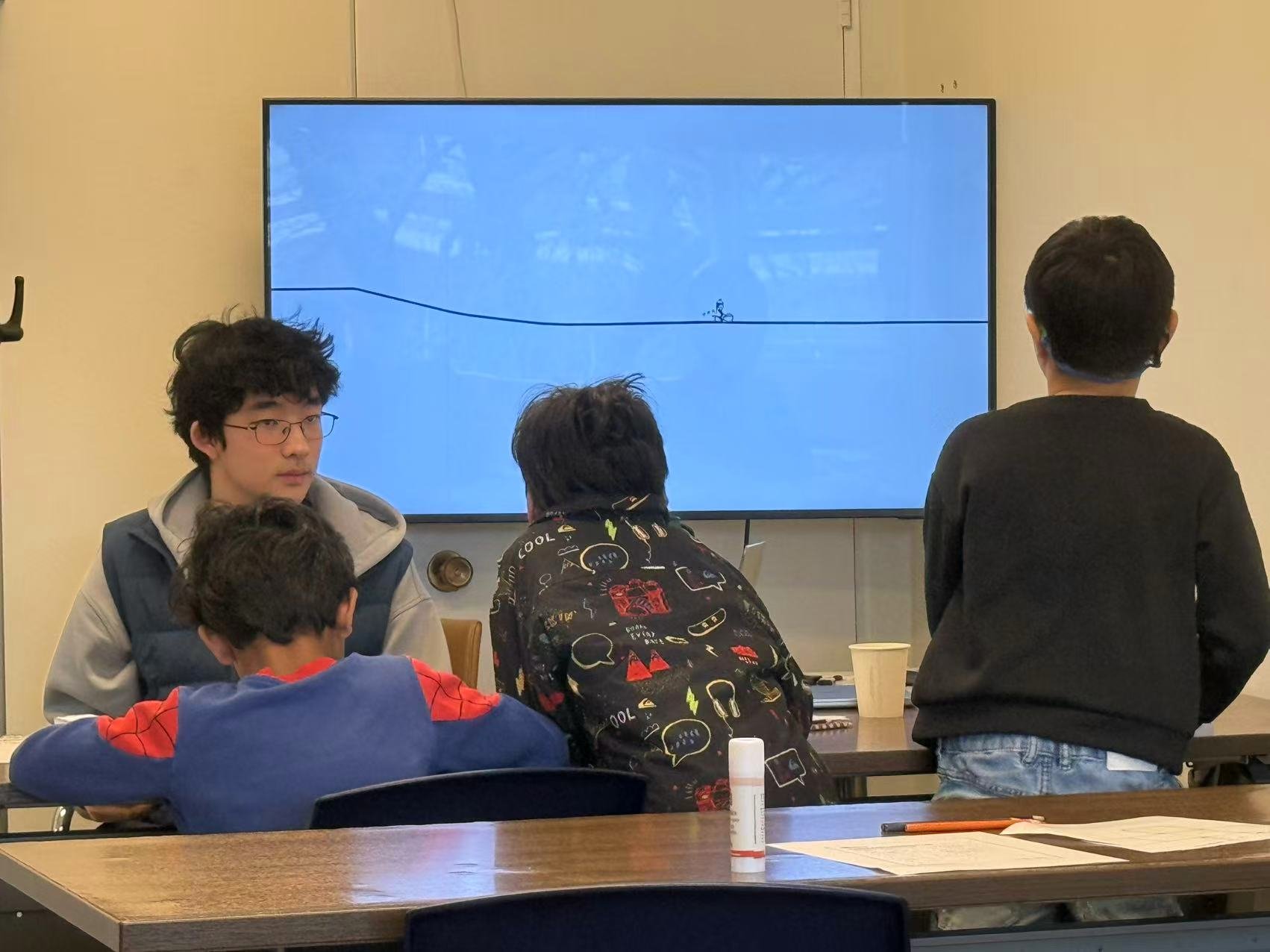
That moment changed what I wanted from the class. I still wanted structure and a purpose for each activity. However, I became less interested in whether the children followed my instructions exactly and more interested in whether the activity gave them a way to participate.
The Spring Camp sessions were only a trial, and I left with more questions than answers. How much structure is useful before it becomes limiting? How could I introduce real instruments without turning the class into a lecture? Could movement, drawing, and rhythm give children different ways into the same piece of music?
Those questions became the starting point for the summer program. I still planned the classes carefully, but I just stopped assuming that the best version of the class would be the one that went exactly according to my plan.